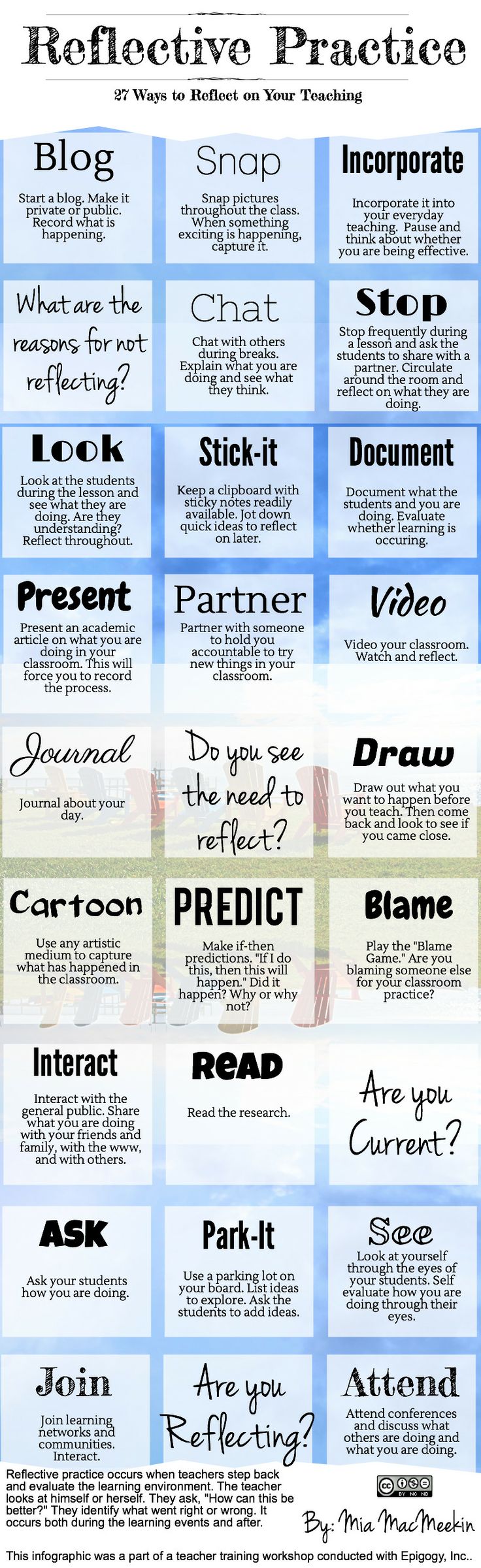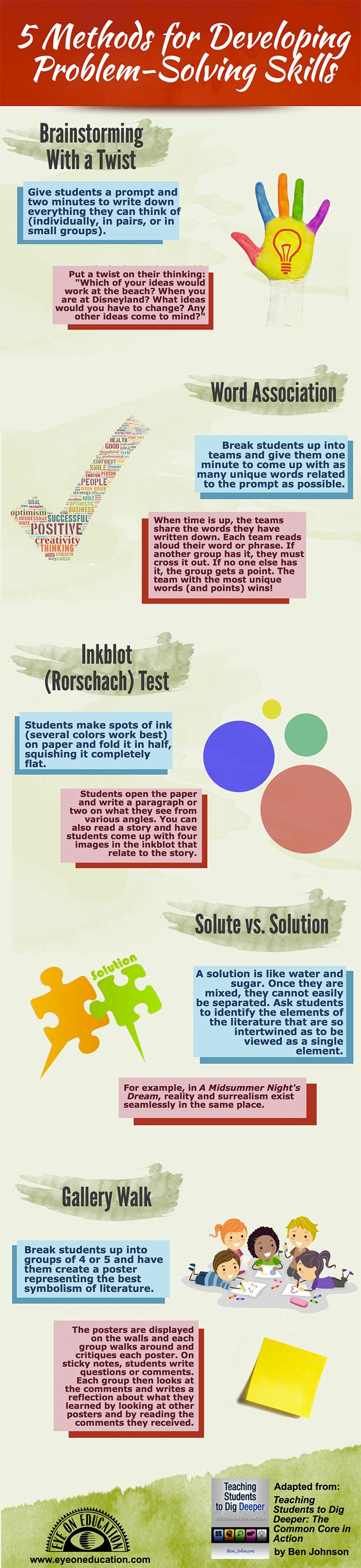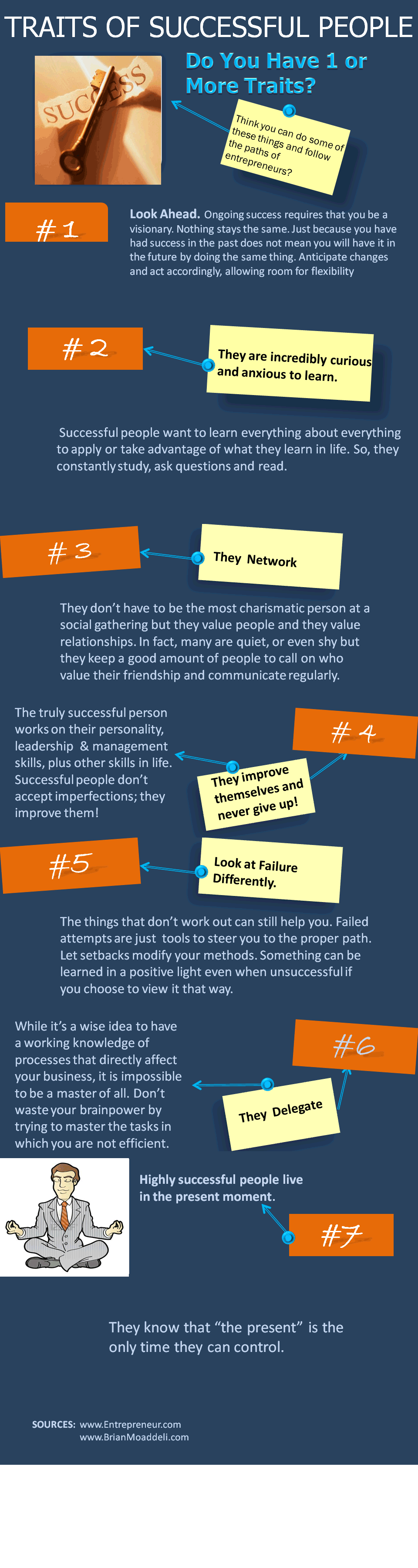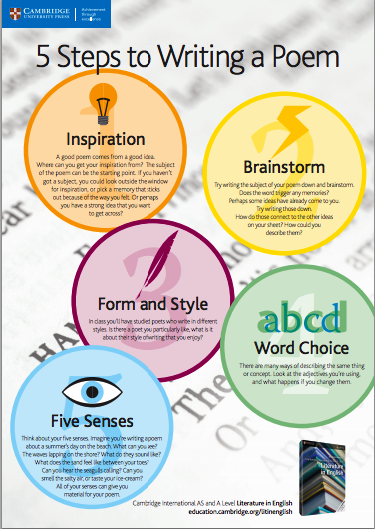

Check this out “conversation” between Diane Ravitch (http://www.dianeravitch.com/) and USDOE Press Secretary….AWESOME
Diane thanks for keeping up the fight for our children and our future.
Superintendent has the RIGHT IDEA!!!
Photo credit: Illustration by Christopher Serra |
McGill: Rating won’t help teachers or kids
The State Education Department has mandated a new evaluation scheme for New York‘s teachers. In what Gov. Andrew M. Cuomo describes as a “groundbreaking” move, everyone now will be rated on a 100-point scale that relies heavily on classroom observations and students’ test scores.
What could be wrong with that?
Pretend you want to evaluate 150 people in your organization. You have three objectives. Assure a high level of effectiveness. Constantly improve everyone’s performance. Screen out anyone whose efforts aren’t acceptable.
You want to base your evaluation plan on several principles. You know that performance improves when people collaborate and when they get good coaching. Good coaches take information from multiple sources and use it to give considered feedback. Their charges get ample opportunity to practice under supervision. Evaluators also need standards and strong evidence to hold employees accountable.
Most of the people in your organization want to succeed. A few are truly exceptional. A larger number have mixed strengths and weaknesses. A smaller group is less competent. Everyone works independently much of the time. You don’t have the resources — enough supervisors or time, for example — to give everyone the continuous, thorough feedback needed to change complex behavior intentionally. So you focus your energies.
Some of your people are relatively new. They need more support and mentoring. You get several supervisors to collaborate in observing these newcomers and in working to bring them along. You’re less interested in comparing them than in whether each is becoming fully proficient — and then getting even better .
Some people are more expert. You check in on them less often to be sure they’re meeting core standards, cooperatively plan for their development, and offer them opportunities to hone their skills and absorb emerging knowledge about their field. Again, you’re less interested in how they might rank and more in their staying vibrant and continuing to grow.
You know from your periodic checks and from informal feedback that some folks aren’t measuring up. Supervisors either collaborate to help them upgrade their performance or develop extensive evidence for their dismissal.
That’s effective evaluation in a rational world. Not in the world of Albany. Albany wants to rank people relative to one another.
But why?
If the point is to help them improve, they need insightful advice and good coaching, not numerical rankings. If it’s to screen out less competent teachers, the only relevant yardstick is whether performance is up to standard. Who cares whether Ms. Jones is number 34, 35 or 36 out of 150?
The state’s rationale is that the metrics will drive people to compete for better scores. But what’s the point when the numbers lack meaning? Everyone knows that standardized tests aren’t good measures of who’s a good teacher, for example. Few, if any, researchers believe they can be used to make fine distinctions among practitioners, as the state plan tries to do.
Regardless, quantification is the name of today’s game. Student test results or classroom observations determine at least 71 points of a teacher’s score. The local schools control the remaining 29 points, but they have to be divided up in some set way: so many for planning, so many for taking part in professional activities, and so on.
This numbers game already drives teachers to spend increasing time prepping their kids for exams at the expense of other learning, and to play the system so they can amass points strategically. It’ll discourage collaboration, as well. As one veteran recently said, “Why should I do anything that could help someone else get a higher score than I do?”
Meanwhile, no rigid scoring formula will anticipate all possible situations. Let’s say Ms. Smith’s special needs kids are constantly the brunt of her dark sarcasms when nobody’s watching. That’s unacceptable. Whatever her strengths, credible student and parent feedback should lead supervisors to judge her performance inadequate. In Albany‘s 100-point world, however, she may well pile up enough points to be “proficient.” All she has to do is deliver a coherent lesson in front of an observer, produce decent test scores and strategically get a few more points here and there.
In short, the supposed strengths of this one-size-fits-all approach are really weaknesses. The “objective” numbers don’t judge people accurately. One state-wide evaluation framework doesn’t make sense for every school, and this one restricts the human judgment that’s essential to effective evaluation.
This is teacher appreciation week. In place of well-meaning sentiment, New York State should appreciate its teachers meaningfully. Rather than impose its uniform evaluation template on everyone, it should enable districts to develop their own plans and their capacity to evaluate effectively. A real service to teachers would be to help them understand whether teaching is the right career for them and, if it is, how to do an even better job of developing the determination, initiative, and thinking skills standardized tests can’t measure.
Michael McGill, superintendent of the Scarsdale Public Schools, is participating in a panel about the misperceptions and realities of the state’s teacher evaluation system on Saturday, May 12, at Bank Street College in Manhattan.
Presentation at Alaska Society of Technology Education–Using Web 2.0 Tools to Meet the Needs of the 21st Century Learner
Presentation Details:
Title: Venturing into the Clouds: Using Web 2.0 Tools to Meet the Needs of the 21st Century Learner
Time: 8:30 AM AST
Duration: 00:58:53
Description: The Future of Cloud Computing: Innovation, Service, Sustainability, Performance and how it Affects Educational Outcomes for our Students. Economic uncertainty and competetive pressures are fundamentally raising performance demands n all aspects of education. From students and teachers to parents and administrators, the pressure to succeed has never been greater.
Success hinges on developing talent to focus on innovation and growth n the global economy. Businesses are now basing their trust and focus on cloud technologies because they offer freedom, reduced cost, and sustainability, whereas education has not. This keynote intends to show advantages of simplification and standardization to support utilizing the cloud to its fullest potential in an educational setting.
Presentation at the Australian Society of Digital Librarians
Jeff Piontek, Hawaii Technology Academy
Abstract: Today’s world is constantly on the move and changing at such a profound speed that it’s hard to believe that what the eyes see as reality is already history. This keynote will introduce and closely examine the significance of several global exponential trends and challenge your assumptions about the world we live in and its future. Current technology trends are affecting our personal and professional lives, our youth and elderly, our learning institutions, the nature of teaching and learning and our definition of intelligence itself. This keynote will be a compelling glimpse into the bold, exciting and dynamic future that awaits us all!
Jeff Piontek is an author, keynote speaker and teacher (most importantly). He has worked with many at-risk school districts nationally as a consultant on affecting educational change and reform. Jeff started out as a Science teacher in the South Bronx, NYC and worked his way up to the Director of Instructional and Informational Technology in NYC.
Jeff’s book; “Blogs Wikis and Podcasts, Oh My! Electronic Media in the Classroom” has been well received by the education community and is in its second printing.
He has received many accolades including the latest from Governor Linda Lingle for Innovation in the economy for his STEM education work nationally. Jeff sits on the National Governor’s Association STEM committee as well as the State of Hawaii Economic Development Workforce Committee, which he was appointed to by the Governor.
Jeff has embarked on a new venture at Hawaii Technology Academy and the school has performed at the top of the public schools in Hawaii in its first year and doubled to 500 students in its second year. The school now has 1,000 students and over 2,000 applicants this past year. The school was just designated as one of the 40 more innovative schools in the US in a recent study published by Innosight Institute (Michael Horn, author of Disrupting Class – innosightinstitute.org/blended_learning_models/
Jeff’s most recent presentations can be found on slideshare at slideshare.net/jeff.piontek
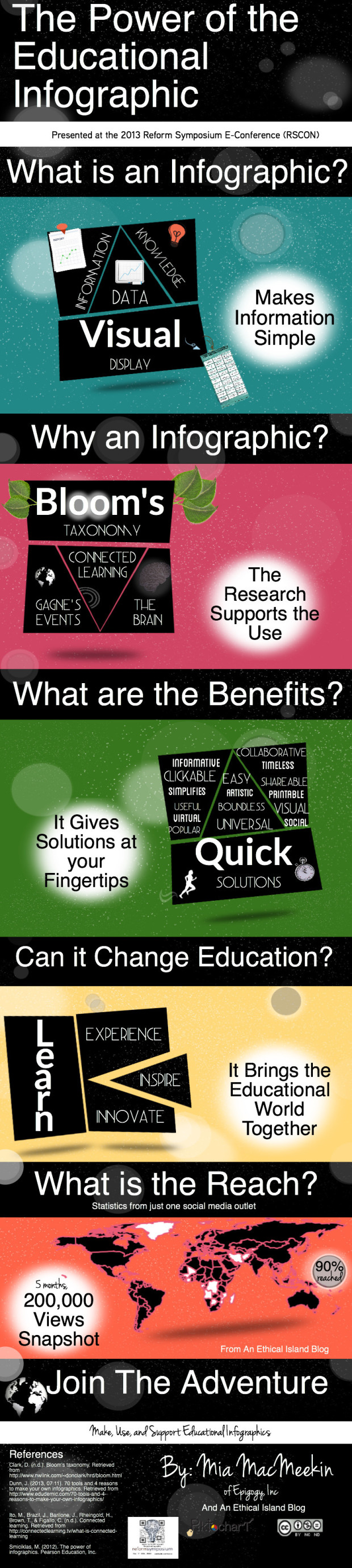
Over 100 Incredible Infographic Tools and Resources (Categorized)
The Best Blogs and Websites About Infographics
- Visual.ly - Awesome community for creating and sharing infographics.
- Information Aesthetics – The relationship between design and information.
- Visualizing.org - Making sense of complex issues through data and design.
- Visual Complexity - A resource for the visualization of complex networks.
- Daily Infographic - A new infographic every day.
- GOOD Infographics - GOOD Magazine’s excellent infographics section.
- Information Is Beautiful – Ideas, issues, knowledge, data – visualized.
- Infographic of the Day – Fast Company’s excellent and long running series.
- FlowingData - Exploring how designers, scientists visualize data.
- Infographics Archive – A visual library offering infographics.
- Visual Loop - There’s an infographic for it… even if it didn’t happen!
- Infographr – All about infographics.
- Newsilike – An infographics blog from India.
- Video Infographics – Motion infographics that explain, educate or inform.
- Datavisualization.ch – A news and knowledge resource for data visualization.
- VisualJournalism – 80% of the news in infographics.
- Eagereyes – Reflections on the visual communication of data.
- Amazing Infographics - Cool information graphics.
- Submit Infographics - Share and rate infographics.
- The Infographics Showcase – Collecting infographics.
- I Love Charts – A Tumblr blog about charts.
- Well Formed Data – An infographics blog by a freelance data visualizer.
- Best Infographics – Pointing you toward great infographics.
- Infographic List – For those who love info graphics.
Data Visualization Tools and Software
- Piktochart – Transforms your information into memorable presentations.
- Infogr.am - Create interactive charts and infographics.
- Gephi – Like Photoshop for data. Graph visualization and manipulation software.
- Tableau Public - Free data visualization software.
- Free Vector Infographic Kit – Vector infographic elements from MediaLoot.
- Weave – Web-based analysis and visualization environment.
- iCharts – Charts made easy.
- ChartsBin – A web-based data visualization tool.
- GeoCommons – See your data on a map.
- VIDI – A suite of powerful Drupal visualization modules.
- Prefuse – Information visualization software.
- StatSilk – Desktop and online software for mapping and visualization.
- Gliffy – Online diagram and flowchart software.
- Hohli – Online charts builder.
- Many Eyes – Lets you upload data and create visualizations.
- Google Chart Wizard – Generate image charts.
Data Sources
- DataMarket – Find and understand data.
- WorldMap – Explore, visualize and publish geographic information.
- Influence Explorer – Provides overviews of political influence data for politicians.
- US Census Bureau – Measures America (people, places, economy).
- Freebase – An entity graph of people, places and things from Google.
- World Bank Data – The world at a glance (key development indicators).
- Data360 – Telling compelling and data-driven stories.
- Number Of – You ask, they count.
- Gallup – Public opinion polls.
- EveryBlock – Uncovers info on large cities contained in government databases.
- Daytum – Helps you collect, organize and communicate your everyday data.
- Google Public Data - Filter and animate data sets from around the world.
- Gapminder - Displays time series of development statistics for all countries.
- Munterbund - Graphical visualization of text similarities in essays.
Create Personal Infographics
- Biogrify - Create a fun visual snapshot of your life.
- Vizify TweetSheet - Your Twitter activity as an instant infographic.
- Photo Stats - App for creating iPhone infographics out of your photo data.
- Re.vu - A visual resume tool.
- Vizualize.me - Visualize your resume in one click.
- Kinzaa - Build your infographic resume.
JavaScript / Flash Infographic Tools
- KeyLines - A JavaScript toolkit for visualizing networks.
- d3.js - Free JavaScript library for manipulating documents based on data.
- InfoVis Toolkit - A JavaScript tool for creating interactive data visualizations.
- Flare - Makes it easy to create interactive data visualizations (ActionScript).
- JS Charts - Free JavaScript charts.
- FusionCharts - JavaScript (HTML5) and Flash charts.
- amCharts - JavaScript and HTML charts.
- Highcharts - Interactive JavaScript charts.
Great Infographic Studios and Designers
- Column Five - Creating visual content that brings people to your site.
- FFunction – Data visualization consulting.
- Interactive Things – A user experience and data visualization studio.
- Periscopic - An agency whose tagline is “do good with data”.
- Fathom - Helps clients understand and express complex data.
- JESS3 - Creative agency specializing in data visualization.
- Visual Evolution – London-based infographic design.
- Lemon.ly – Create understanding through visuals.
- Prime Infographics – Creates custom infographics for businesses.
Infographic Articles and Tutorials
- How to Create Outstanding Modern Infographics – Vectortuts+
- Infographic: Do-It-Yourself Guide to Infographics – Marketing Tech Blog
- A Few Rules for Making Homemade Infographics – The Atlantic Wire
- The Do’s and Don’ts of Infographic Design – Smashing Magazine
- How to Create a Great Infographics (Slideshow) – The Content Lab
- Design a Magazine Infographic – Digital Arts
- Create an Infographic Typography Animation – aetuts+
- How to Create Great Infographics – .net magazine
- The Anatomy of an Infographic – SpyreStudios
- How to Strike a Balance Between Data and Visualization – The Daily Egg
- 7 Steps to Make Your Infographic a Success – SEOmoz
Other / Miscellaneous / Overflow
- Wolfram CDF – Create “infoapps” using always-current data.
- KISSmetrics Infographics – Useful infographics by KISSmetrics.
- Better World Flux – A beautiful interactive visualization of what matters in life.
- Data Wrangler – Interactive tool for data cleaning and transformation.
- Lyza – Analyze, socialize, decide.
- A World of Tweets – Twitter visualization.
- We Feel Fine - An exploration of human emotion.
- Visual Economics – Unraveling complexities in financial data.
- ComponentArt DV – Present, navigate and visualize your data like never before.
- DOMO – Business intelligence platform.
- Infochimps – Big data infrastructure made clear.
- Evaluat3 – The best way to know your professional strengths (graphs).
- Webpages As Graphics – An HTML DOM visualizer app.
- Creately – Draw diagrams online using a collaborative approach.
- Wordle - Create beautiful word clouds.
- Tagxedo - Word clouds with style.